Need help? Call Us Now : +917574022822 | +917575022822

26 Jan, 2025
What is Chemotherapy? Types, Mechanisms, Preparation, and Risks Explained By The Cancer Specialist In Surat
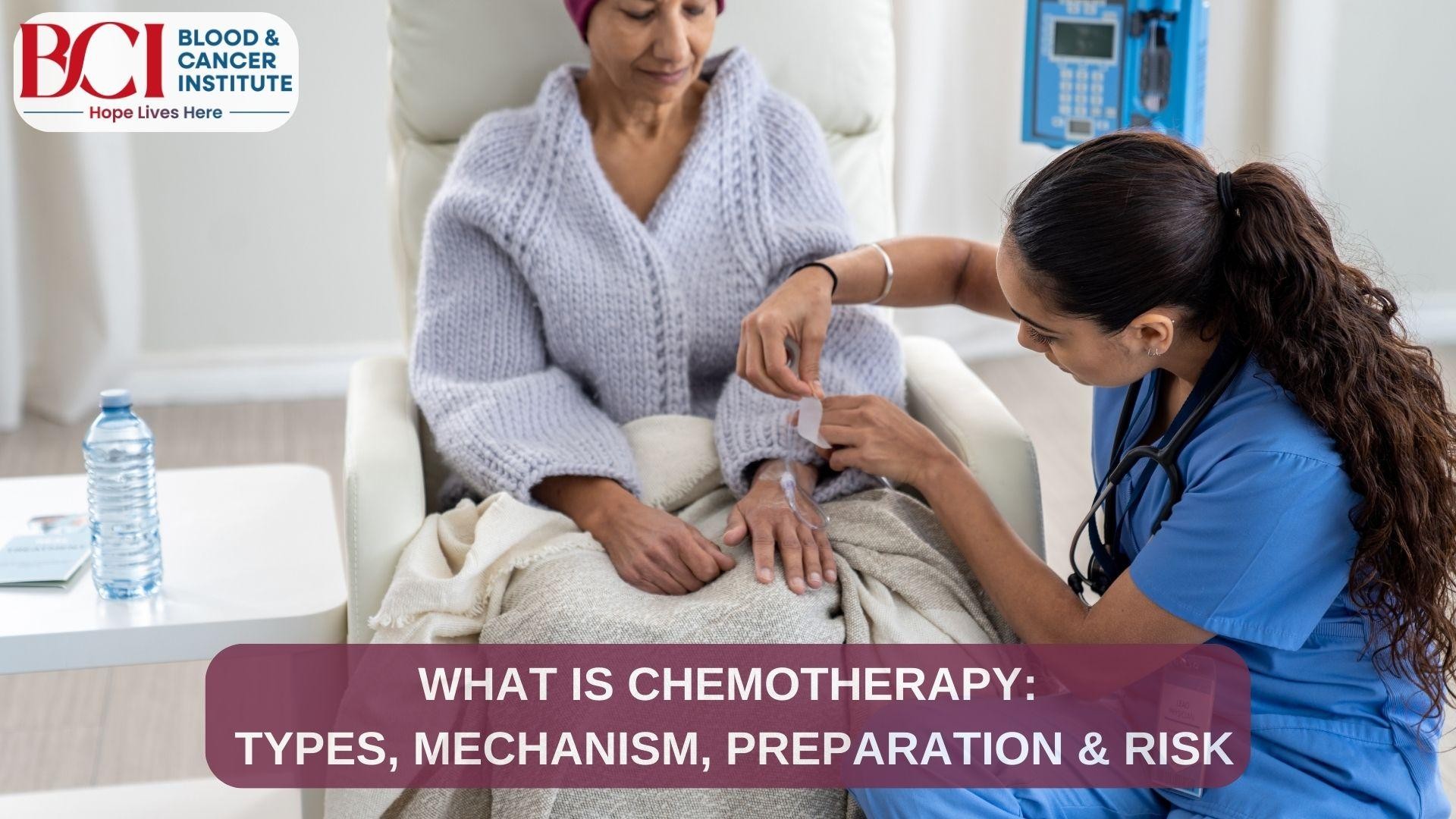
Chemotherapy is one of the most commonly used treatments used by cancer specialists in Surat. It involves using powerful drugs to target and destroy cancer cells in the body. While chemotherapy can be highly effective, it also comes with a range of side effects and risks that patients need to be aware of. In this blog post, we will explore what chemotherapy is, the types available, how it works, how to prepare for it, and the associated risks.
What is Chemotherapy?
Chemotherapy, often referred to as “chemo,” is a treatment designed to kill or stop the growth of cancer cells. Oncologists in Surat explain that while surgery or radiation therapy target specific areas, chemotherapy drugs travel throughout the body via the bloodstream. This makes it particularly effective for cancers that have spread (metastasized) to other parts of the body.
The primary goal of chemotherapy can vary depending on the type and stage of cancer:
● Curative: To eliminate cancer entirely.
● Adjuvant: To kill any remaining cancer cells after surgery or radiation.
● Neoadjuvant: To shrink tumors before surgery or radiation.
● Palliative: To relieve symptoms and improve the quality of life in advanced stages of cancer.
Types of Chemotherapy
Chemotherapy is not a one-size-fits-all treatment. Our cancer specialists in Surat at BCI- Blood and Cancer Institute, assess which type of chemotherapy a patient receives depending on the cancer type, its stage, and the patient’s overall health. Here are the main types of chemotherapy:
1. Alkylating Agents
These drugs interfere with the DNA of cancer cells, preventing them from multiplying. They are commonly used for cancers such as leukemia, lymphoma, and breast cancer.
2. Antimetabolites
These mimic the building blocks of DNA and RNA, disrupting the cancer cells’ ability to replicate. They are frequently used to treat leukemia, breast cancer, and ovarian cancer.
3. Anthracyclines
These drugs work by damaging the DNA inside cancer cells, stopping them from reproducing. Examples include doxorubicin and epirubicin.
4. Plant Alkaloids
Derived from natural sources like plants, these drugs disrupt cell division. They are used for various cancers, including lung and breast cancer.
5. Targeted Therapy
This newer form of chemotherapy adapted by a few cancer hospitals in Surat, including The Blood and Cancer Institute, specifically targets cancer cells while sparing healthy ones. It’s often used alongside traditional chemotherapy to increase effectiveness.
How Chemotherapy Works
Cancer cells grow and divide more quickly than most normal cells. Chemotherapy, used for blood cancer treatment in Surat, exploits this by targeting rapidly dividing cells. However, it can’t differentiate between cancerous and healthy fast-growing cells, which is why side effects often occur.
Here’s a simplified overview of how chemotherapy works:
- Interfering with DNA and RNA: Some drugs damage the DNA or RNA of cancer cells, preventing them from dividing.
- Blocking Cell Division: Certain drugs stop cancer cells from splitting into new cells.
- Targeting Specific Proteins: Targeted therapies focus on proteins or receptors unique to cancer cells.
The effectiveness of chemotherapy depends on factors such as the type of cancer, its stage, and the patient’s response to the drugs.
Preparing for Chemotherapy
Undergoing chemotherapy can be physically and emotionally challenging. Proper preparation can help patients navigate the process with greater confidence.
1. Understand the Treatment Plan
Before starting chemotherapy, patients should consult with their oncologist to understand the specifics of their treatment plan, including the type of drugs, schedule, and expected outcomes.
2. Get a Baseline Health Assessment
Doctors typically conduct blood tests and imaging studies to assess overall health and determine if the patient is fit for chemotherapy.
3. Prepare for Side Effects
Knowing the potential side effects can help patients manage them better. Common side effects include fatigue, nausea, hair loss, and a weakened immune system. Stocking up on anti-nausea medications, wigs or head coverings, and healthy snacks can be beneficial.
4. Build a Support System
A support network of family, friends, and caregivers can make a significant difference. Patients may need help with transportation, meals, or emotional support during treatment.
5. Adopt a Healthy Lifestyle
Maintaining a nutritious diet, staying hydrated, and engaging in light physical activity can help boost the body’s resilience.
Risks and Side Effects of Chemotherapy
While chemotherapy is an effective cancer treatment, it comes with risks and potential side effects, many of which are temporary but can significantly impact a patient’s quality of life.
1. Common Side Effects
● Hair Loss: As chemotherapy targets fast-growing cells, hair follicles are often affected, leading to hair thinning or loss.
● Nausea and Vomiting: These are among the most common side effects but can often be managed with medications.
● Fatigue: Many patients experience extreme tiredness due to the toll chemotherapy takes on the body.
● Immune Suppression: Chemotherapy can weaken the immune system, making patients more vulnerable to infections.
2. Long-Term Risks
Some chemotherapy drugs can cause long-term side effects, such as heart or lung damage, infertility, or an increased risk of developing secondary cancers. These risks depend on the specific drugs and dosages used.
3. Emotional Impact
The physical toll of chemotherapy can lead to emotional challenges such as anxiety, depression, or feelings of isolation.
Conclusion
Chemotherapy remains one of the most effective tools for cancer treatment in Surat. By understanding its mechanisms, types, and potential risks, patients can approach treatment with greater confidence and preparedness. While chemotherapy can be challenging, advances in medicine have made it more targeted and tolerable than ever before.
If you or a loved one are facing chemotherapy, remember that support is available. Open communication with healthcare providers, a strong support system, and a proactive approach to managing side effects can make a significant difference in the treatment journey.