Need help? Call Us Now : +917574022822 | +917575022822

18 Apr, 2025
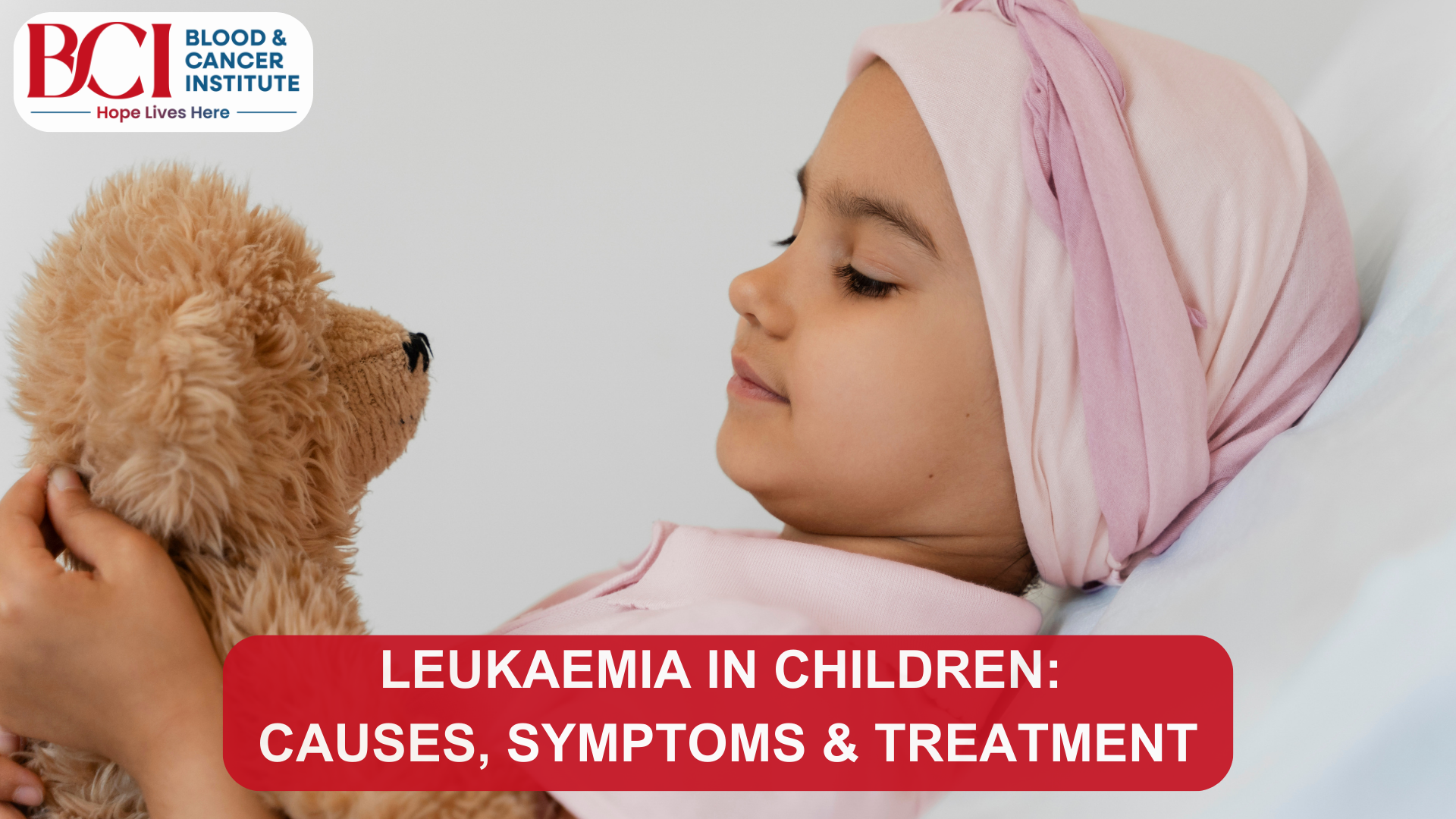
Leukaemia in Children: Causes, Symptoms, and Treatment
According to the cancer specialists in Surat, leukaemia is the most common type of cancer in children and affects the blood and bone marrow. It occurs when the body produces an excessive number of abnormal white blood cells, which interfere with normal blood cell production and function. Early diagnosis and treatment are crucial for improving survival rates and outcomes in children.
What Is Leukaemia and How Does It Develop?
Leukaemia begins in the bone marrow, where blood cells are produced. It occurs when genetic mutations cause white blood cells to grow uncontrollably. These abnormal cells do not function properly and crowd out healthy blood cells, leading to anaemia, infection susceptibility, and bleeding issues.
The exact cause of leukaemia in children is not always clear. However, some risk factors, such as genetic disorders and exposure to high levels of radiation or certain chemicals, may increase the likelihood of developing the disease.
How Common Is Leukaemia?
Leukaemia is the most common childhood cancer in India, accounting for nearly 30% of all paediatric cancers. While exact numbers vary, it is estimated that thousands of children in India are diagnosed with leukaemia every year. The most affected age group is 2 to 5 years. Although leukaemia is life-threatening, our paediatric cancer specialists in Surat at BCI- Blood and Cancer Institute, share that the survival rates have significantly improved with advancements in treatment and early detection.
Types of Leukaemia in Children
- Acute Lymphoblastic Leukemia (ALL) — The most common type, accounting for about 75% of childhood leukaemia cases. It progresses rapidly if left untreated.
- Acute Myeloid Leukemia (AML) — The second most common type, affecting myeloid cells. It requires intensive treatment.
- Chronic Myeloid Leukemia (CML) — A rarer type in children, CML progresses more slowly than acute leukaemia.
- Juvenile Myelomonocytic leukaemia (JMML) — A rare but serious form of leukaemia that primarily affects children under four years old.
What Are the Symptoms of leukaemia?
Leukaemia symptoms often resemble common childhood illnesses, making early detection challenging. The most common symptoms as explained by our paediatric cancer specialists in Surat at BCI- Blood and Cancer Institute, include:
● Frequent Infections — Due to a weakened immune system, children with leukaemia may experience repeated infections.
● Persistent Fever — Unexplained fevers lasting for days or weeks.
● Fatigue and Weakness — A lack of healthy red blood cells leads to anaemia, causing exhaustion and paleness.
● Easy Bruising and Bleeding — leukaemia affects platelets, leading to frequent nosebleeds, gum bleeding, and unexplained bruises.
● Bone and Joint Pain — The buildup of abnormal cells in the bone marrow can cause pain.
● Swollen Lymph Nodes — Enlargement of lymph nodes, especially in the neck, armpit, or groin.
● Loss of Appetite and Weight Loss — A child with leukaemia may experience an unexplained reduction in appetite and weight.
● Swollen Abdomen — An enlarged liver or spleen can cause stomach swelling.
Risk Factors and Associated Conditions
Certain genetic disorders and medical conditions increase the risk of leukaemia in children. Some of these include:
● Down Syndrome — Higher risk of developing ALL and AML.
● Li-Fraumeni Syndrome — A genetic disorder that increases cancer risk.
● Fanconi Anaemia — A rare inherited disorder that affects bone marrow function.
● Neurofibromatosis Type 1 (NF1) — A genetic condition linked to leukaemia.
● Prior Cancer Treatment — Chemotherapy or radiation therapy for other cancers can increase the risk of leukaemia.
Treatment Options for Leukemia in Children
The treatment for leukemia depends on the type and severity of the disease. Experts from BCI- Blood and Cancer Institute, a premier cancer hospital in Surat — discuss the main treatment options, which include:
● Chemotherapy — The most common treatment, using a combination of drugs to destroy cancerous cells. It may be given in cycles over several months or years.
● Radiation Therapy — Uses high-energy radiation to target and kill cancer cells. It is sometimes used when leukemia spreads to the brain or spinal cord.
● Bone Marrow Transplant (Stem Cell Transplant) — This is an option for children with high-risk leukemia. It involves replacing diseased bone marrow with healthy donor stem cells.
● Targeted Therapy — Uses drugs that specifically attack leukemia cells with minimal harm to normal cells. It is primarily used for certain genetic subtypes of leukemia.
● Immunotherapy — Boosts the body’s immune system to fight leukemia cells more effectively. It is an emerging treatment option showing promising results.
Conclusion
Leukaemia in children is a serious but treatable condition. Advances in medical research, improved diagnostic techniques, and better access to cancer treatment in Surat have led to higher survival rates. Parents and caregivers should remain vigilant about persistent or unusual symptoms and seek medical attention promptly. Early detection and proper medical care can greatly improve a child’s chances of recovery and a healthy future.