Need help? Call Us Now : +917574022822 | +917575022822

25 Jul, 2024
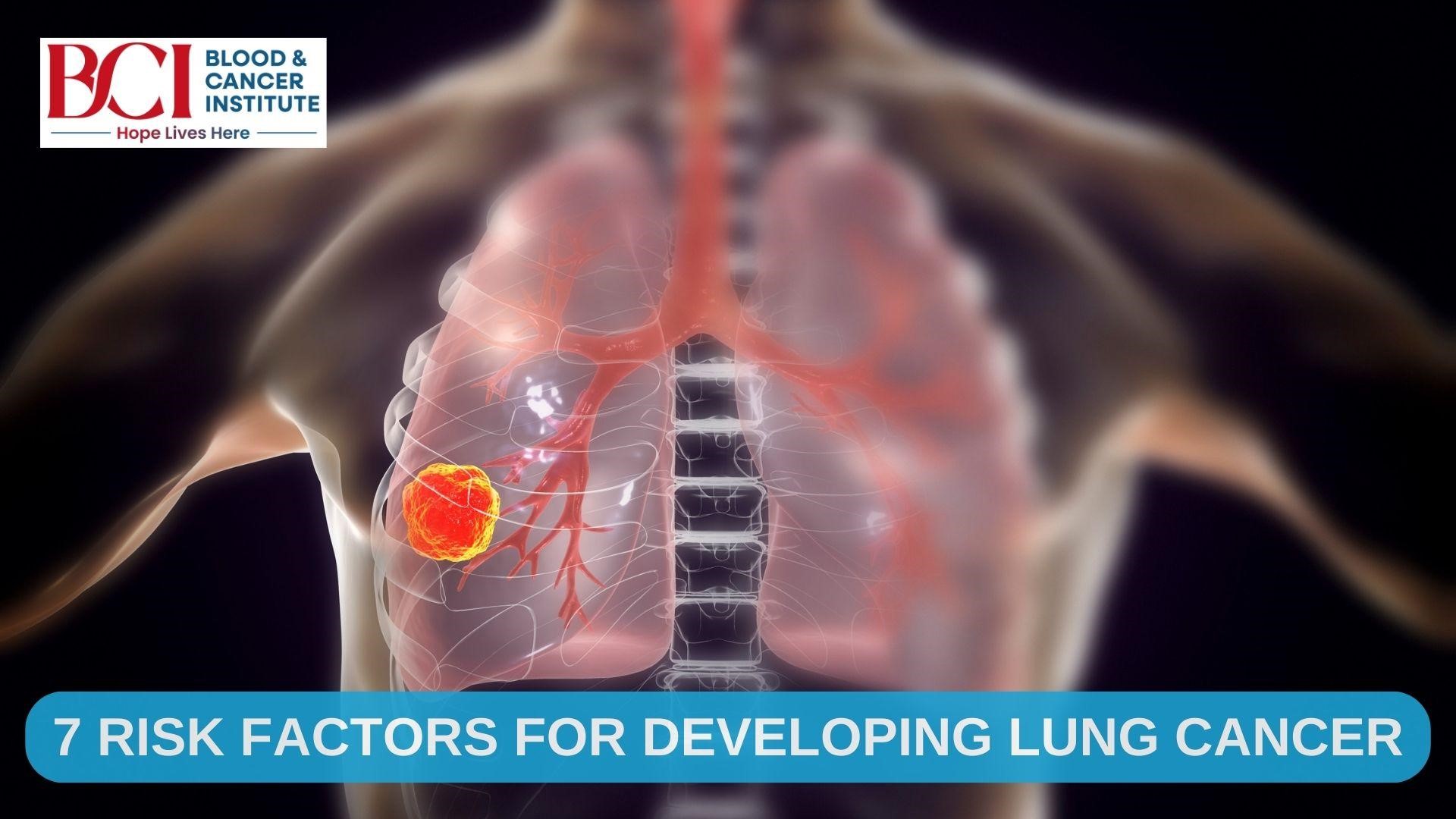
7 Risk Factors for Developing Lung Cancer As Explained By The Best Lung Cancer Specialists In Surat
Lung cancer remains one of the most common and deadly forms of cancer worldwide. Understanding the risk factors that contribute to its development can help individuals take preventive measures and seek cancer treatment in Surat. We have narrowed down the most crucial seven key risk factors for developing lung cancer. They are:
1. Smoking
Smoking is the leading cause of lung cancer. The risk increases with the number of cigarettes smoked and the duration of smoking. Even those who smoke fewer cigarettes are at significant risk. The harmful chemicals in tobacco smoke, such as tar, nicotine, and carcinogens, damage the lung tissue and lead to cancerous changes over time. Cancer specialists in Surat advice quitting smoking at any age as it can significantly reduce the risk of developing lung cancer.
2. Exposure to Secondhand Smoke
Secondhand smoke, also known as passive smoke, is another major risk factor for lung cancer. Non-smokers who are frequently exposed to cigarette smoke from others are at a higher risk of developing lung cancer compared to those who live in smoke-free environments. It’s crucial for individuals to avoid places where smoking is prevalent and to advocate for smoke-free policies in public and private spaces.
3. Previous Lung Diseases
Having a history of lung diseases can increase the likelihood of developing lung cancer. Conditions such as chronic obstructive pulmonary disease (COPD), including emphysema and chronic bronchitis, are associated with a higher risk of lung cancer, even in the absence of smoking.
Other lung diseases that may increase lung cancer risk include:
● Tuberculosis
● Pneumonia
● Pulmonary fibrosis
These conditions cause chronic inflammation and damage to lung tissue, creating an environment conducive to cancer development. Regular medical check-ups and managing existing lung conditions effectively can help reduce the risk.
4. Occupational Exposure to Carcinogens
Certain occupations expose workers to harmful substances that can increase the risk of lung cancer. Industries such as mining, construction, and manufacturing often involve exposure to carcinogens like asbestos, arsenic, diesel exhaust, and certain chemicals. Employers should provide protective equipment and implement safety measures to minimize exposure, and workers should adhere to safety guidelines to protect themselves.
5. Air Pollution
Air pollution, both outdoor and indoor, has been linked to an increased risk of lung cancer. Outdoor pollutants include vehicle emissions, industrial discharges, and combustion of fossil fuels. Indoor air pollutants can come from sources such as burning wood, coal, or oil for heating and cooking, and from tobacco smoke. Lung cancer specialists in Surat emphasize in reducing exposure to air pollution by using air purifiers, avoiding heavy traffic areas, and supporting clean air initiatives to help lower the risk.
6. Diet and Lifestyle Factors
While the link between diet and lung cancer is not as strong as with some other risk factors, research suggests that certain dietary and lifestyle choices may influence lung cancer risk.
A diet low in fruits and vegetables may increase the risk of lung cancer. Fruits and vegetables are rich in antioxidants and other compounds that may help protect against cellular damage. On the other hand, a diet high in processed meats and saturated fats may increase risk.
Physical inactivity and obesity have also been associated with a slightly increased risk of lung cancer, although more research is needed to fully understand this relationship.
7. Age
While lung cancer can occur at any age, the risk increases with age. According to the American Cancer Society, about two-thirds of lung cancer diagnoses occur in people 65 years or older. The median age at diagnosis is around 70 years.
This increased risk with age is likely due to the cumulative effect of exposure to carcinogens over time, as well as the natural decline in the body’s ability to repair cellular damage. Regular health check-ups and discussions with your healthcare provider about appropriate screening measures become increasingly important as you age.
Conclusion
Understanding these seven risk factors for lung cancer can empower individuals to make informed decisions about their health. Smoking cessation, avoiding secondhand smoke, reducing exposure to occupational hazards and air pollution, and going for regular check-ups for managing lung diseases are proactive steps that can help mitigate the risk. Regular screenings at the best cancer hospital in Surat and consultations with healthcare providers are essential for early detection and better outcomes in lung cancer prevention and treatment. By taking these steps, individuals can significantly lower their chances of developing this serious disease.