Need help? Call Us Now : +917574022822 | +917575022822

22 Oct, 2024
Role of Chest Radiographs in Early Diagnosing and Monitoring Lung Cancer
According to the lung cancer specialists in Surat, lung cancer is one of the most prevalent and deadly forms of cancer worldwide. Early detection and accurate monitoring are crucial for improving patient outcomes. In this battle against lung cancer, radiology plays an indispensable role, providing powerful tools for diagnosis, staging, treatment planning, and follow-up care. This blog post explores the vital contribution of radiological techniques in managing lung cancer.
Early Detection: The First Line of Defense
Radiology’s most significant impact on lung cancer management comes through its ability to detect the disease in its early stages. Low-dose computed tomography (LDCT) scans have revolutionized lung cancer screening, particularly for high-risk individuals such as long-term smokers.
Cancer specialists in Surat use LDCT scans to identify small lung nodules that may become symptomatic, potentially catching cancer at a more treatable stage. The National Lung Screening Trial demonstrated that annual LDCT screening could reduce lung cancer mortality by 20% compared to standard chest X-rays. This breakthrough has led to widespread adoption of LDCT screening programs, saving countless lives through early intervention.
Diagnostic Imaging: Piecing Together the Puzzle
When lung cancer is suspected, radiologists employ a variety of imaging techniques to confirm the diagnosis and gather crucial information about the tumor. These may include:
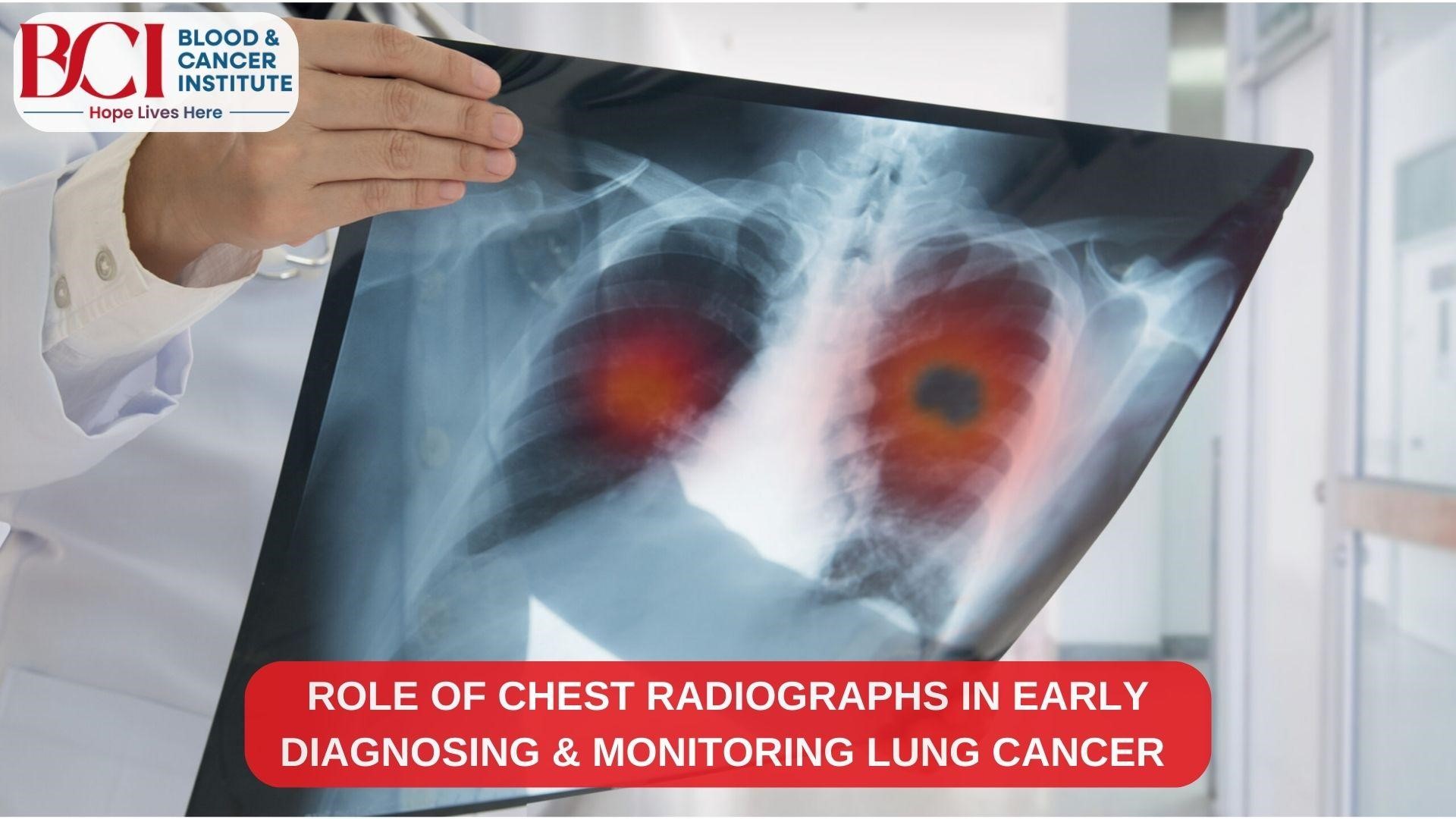
- Chest X-rays: Often the first imaging study performed, chest X-rays can reveal larger lung masses but may miss smaller tumors.
- CT scans: Providing detailed cross-sectional images, CT scans offer a comprehensive view of the lungs, helping to characterize nodules and masses.
- PET scans: By detecting areas of high metabolic activity, PET scans can distinguish between benign and malignant lesions and identify potential metastases.
- MRI: While less commonly used for lung imaging, MRI can be valuable in assessing chest wall invasion or examining the brain for metastases.
These imaging modalities work in concert to provide a comprehensive picture of the disease, guiding further diagnostic steps for cancer treatment in Surat.
Staging: Mapping the Extent of Disease
Accurate staging is critical for determining the most appropriate treatment strategy. Radiology plays a central role in this process, helping to assess the size and location of the primary tumor, lymph node involvement, and the presence of distant metastases.
PET-CT scans are particularly valuable for staging, combining the metabolic information from PET with the anatomical detail of CT. This powerful combination can identify both local and distant spread of the disease, informing decisions about surgery, radiation therapy, or systemic treatments.
Guiding Interventions: Precision in Treatment
Beyond diagnosis and staging, radiological techniques are instrumental in guiding various interventional procedures:
- Image-guided biopsies: CT or ultrasound guidance allows for precise sampling of suspicious lesions, ensuring accurate pathological diagnosis.
- Radiofrequency ablation: For select patients, radiologists can use imaging guidance to precisely deliver heat therapy to small lung tumors.
- Radiation therapy planning: CT scans are essential for mapping out radiation treatment fields, helping to maximize tumor coverage while sparing healthy tissue.
Monitoring Treatment Response: Tracking Progress
As patients undergo treatment, radiological follow-up becomes crucial for assessing the effectiveness of therapy. Regular CT or PET-CT scans can reveal changes in tumor size and metabolic activity, indicating whether the cancer is responding to treatment or progressing.
These imaging studies guide important decisions about continuing, modifying, or changing treatment strategies. They also play a vital role in detecting recurrence in patients who have completed initial treatment, allowing for prompt intervention if the cancer returns.
Conclusion
From early detection to long-term monitoring radiology plays an important part in the multi-disciplinary approach to lung cancer management. The best cancer hospitals in Surat utilize this non-invasive nature of imaging for repeated assessments throughout a patient’s journey.
As technology continues to advance, the role of radiology in lung cancer care will only grow more significant. These powerful imaging tools help healthcare providers in more accurate diagnoses, personalized treatment plans, and improved outcomes in the fight against lung cancer.
The collaboration between radiologists, oncologists, surgeons, and other healthcare professionals remains crucial in translating these imaging insights into effective patient care. As we look to the future, the integration of cutting-edge radiological techniques with other advances in cancer care promises to further transform the landscape of lung cancer diagnosis and treatment.