Need help? Call Us Now : +917574022822 | +917575022822

13 Dec, 2024
The Importance of Early Diagnosis in Retinoblastoma Treatment
Retinoblastoma, a rare but serious type of eye cancer, primarily affects children under the age of five. It develops in the retina, the light-sensitive layer of tissue at the back of the eye and can cause vision loss or even spread to other parts of the body if not treated promptly. Early diagnosis plays a critical role in the successful treatment of retinoblastoma, as it can save the child’s vision, eye, and life. Paediatric cancer specialists in Surat at BCI- Blood and Cancer Institute, highlight the importance of early detection and diagnosis in retinoblastoma treatment in this blog. They also provide insights into how parents and healthcare providers can work together to identify this condition in its earliest stages.
Understanding Retinoblastoma
Retinoblastoma occurs when retinal cells grow uncontrollably, forming a tumor. It can affect one or both eyes and is caused by genetic mutations in the RB1 gene. These mutations are rare and can be inherited or developed spontaneously.
Retinoblastoma often presents without pain, making it challenging to recognize early on. However, timely detection can significantly improve outcomes, as the disease responds well to treatment when caught in its early stages.
Why Early Diagnosis Matters
1. Improved Survival Rates
The most important reason for early diagnosis is that it saves lives. When diagnosed early, retinoblastoma has a cure rate of over 95%, explain cancer specialists in Surat. However, delays in diagnosis allow the cancer to spread beyond the eye, making treatment more complex and reducing the chances of survival.
2. Preserving Vision
Retinoblastoma often damages the retina and optic nerve, leading to vision impairment. Early detection increases the likelihood of treating the tumor before significant damage occurs, preserving the child’s eyesight in one or both eyes.
3. Avoiding Eye Removal
In advanced cases of retinoblastoma, enucleation (surgical removal of the affected eye) may be necessary to prevent the cancer from spreading. Early diagnosis and treatment can often eliminate the need for such invasive procedures, allowing the child to retain both eyes.
4. Minimizing Treatment Side Effects
Advanced retinoblastoma often requires aggressive treatments like chemotherapy, radiation, or extensive surgery. Early diagnosis allows for less invasive treatments, reducing the long-term side effects that can impact the child’s quality of life.
Signs and Symptoms to Watch For
Parents and caregivers play a crucial role in identifying the early signs of retinoblastoma. Common symptoms include:
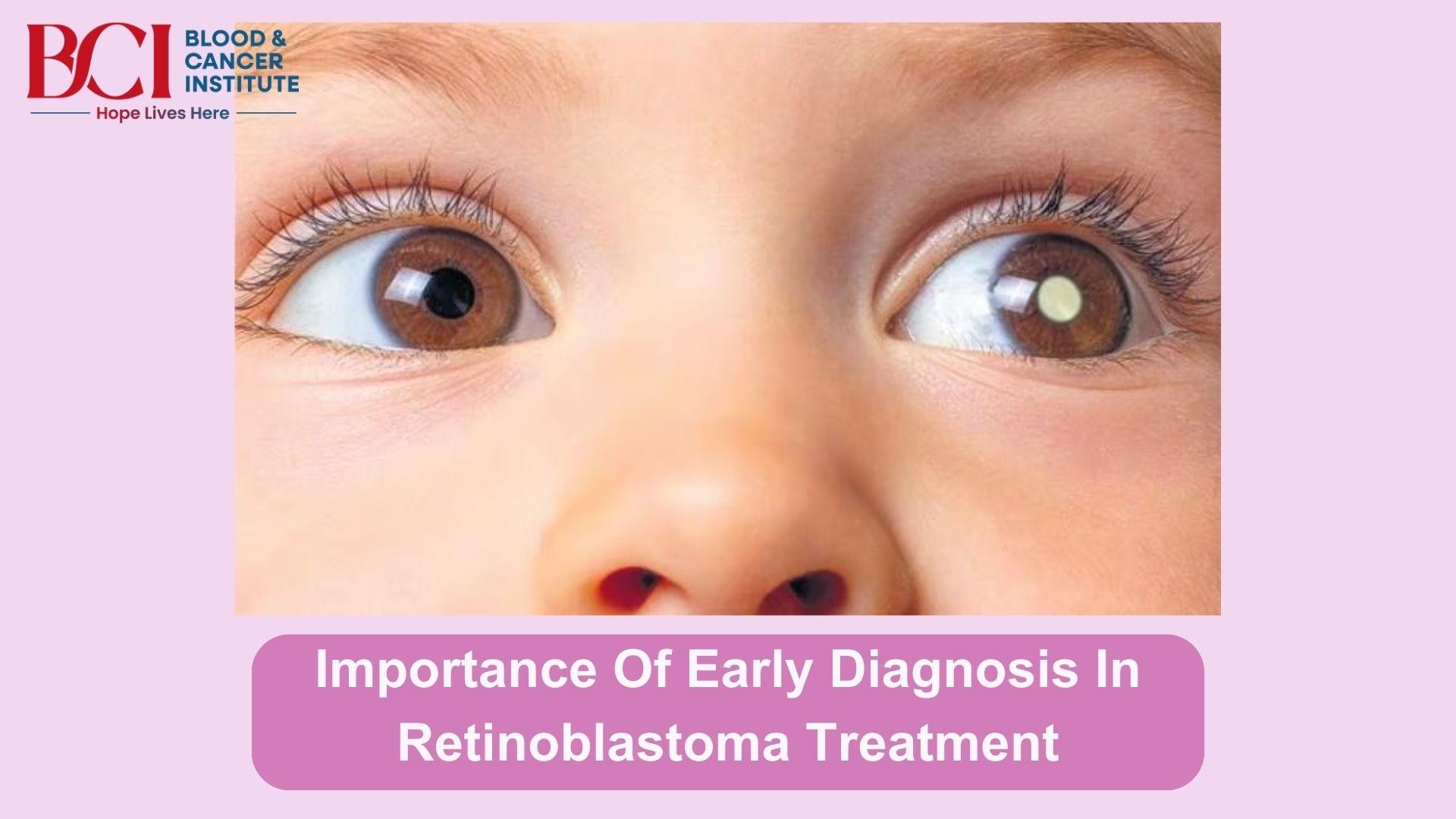
- Leukocoria: A white reflection or glow in the pupil, often noticeable in flash photography. This is the most common early sign of retinoblastoma.
- Strabismus: Misaligned or “crossed” eyes, which may indicate an underlying retinal tumor.
- Vision Problems: Difficulty focusing or noticing objects can suggest visual impairment caused by the tumor.
- Eye Redness or Swelling: Persistent redness or swelling in one or both eyes without an infection can be a warning sign.
- Pupil Irregularities: Changes in the shape or size of the pupil may signal a problem with the retina.
If parents notice any of these symptoms, they should seek immediate medical attention. Early consultation with the expert from the best cancer hospital in Surat can make all the difference.
How Retinoblastoma Is Diagnosed
When retinoblastoma is suspected, doctors use several diagnostic tools to confirm the condition and determine its stage:
● Eye Examination: An ophthalmologist uses specialized instruments to examine the retina for tumors.
● Imaging Tests: Ultrasound, MRI, or CT scans help visualize the size, location, and spread of the tumor.
● Genetic Testing: Identifying mutations in the RB1 gene can confirm the diagnosis and determine if the condition is hereditary.
Staging the cancer is essential for creating an effective treatment plan. Early-stage retinoblastoma is often confined to the eye, while advanced stages may involve the optic nerve, surrounding tissues, or even distant organs.
Treatment Options for Retinoblastoma
The treatment for retinoblastoma depends on its size, location, and whether it has spread beyond the eye. Early diagnosis opens the door to less invasive and more effective treatment options, such as:
● Focal Therapy: Techniques like laser therapy, cryotherapy (freezing), or thermotherapy (heat) are used to destroy small tumors without damaging healthy tissue.
● Chemotherapy: In early stages, chemotherapy can shrink tumors, making them easier to treat with focal therapy.
● Radiation Therapy: External beam radiation or plaque brachytherapy (radioactive implants) may be used for larger tumors.
● Surgery: In advanced cases, enucleation may be required to remove the affected eye and prevent the cancer from spreading.
Preventing Delays in Diagnosis
To ensure timely diagnosis and treatment, parents and healthcare providers should take proactive measures:
- Routine Eye Exams: Pediatricians and ophthalmologists should screen for eye abnormalities during regular check-ups.
- Educating Parents: Awareness campaigns and educational resources can help parents recognize the early signs of retinoblastoma.
- Genetic Testing for High-Risk Families: Families with a history of retinoblastoma should consider genetic counseling and early screening for their children.
- Responding to Symptoms Quickly: If symptoms appear, seek immediate medical attention to rule out or confirm retinoblastoma.
Conclusion
Early diagnosis is the cornerstone of successful retinoblastoma treatment. By identifying and addressing the disease in its earliest stages, doctors can save the child’s vision, preserve their eye, and dramatically improve survival rates.
Parents, caregivers, and healthcare providers must work together to prioritize early detection through routine screenings and swift action when symptoms arise. Increased awareness about retinoblastoma can help ensure that children receive the timely care they need to lead healthy, fulfilling lives.